Recipe Category: Tips and How To

How to Roast Corn (3 Easy Ways)

How to Roast Corn (3 Easy Ways)

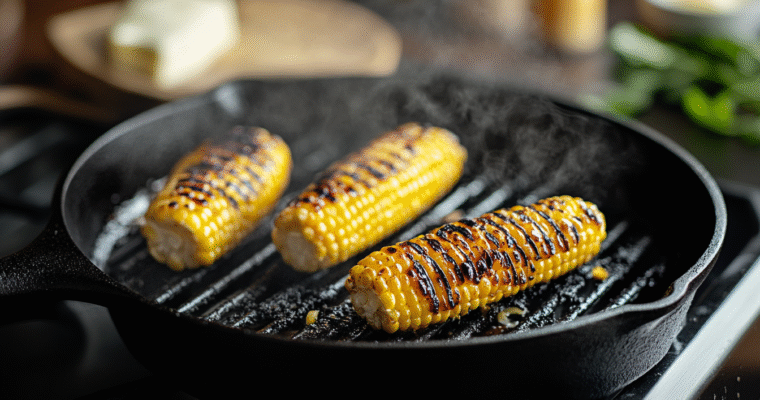
Add smoky-sweet flavor to salsas, salads & sides There’s nothing like the flavor of roasted corn to take a dish from simple to sensational. Whether you’re topping tacos, mixing up a summer salad, or making my Roasted Corn Pico de Gallo, learning how to roast…
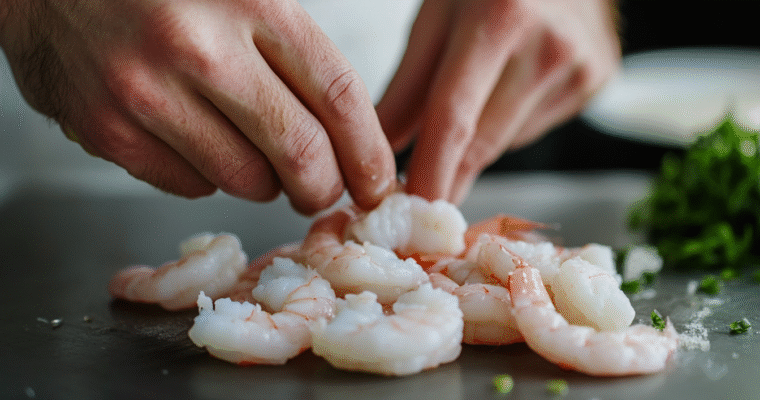
Mastering Shrimp: From Selection to Cleaning, Cooking and Beyond

Mastering Shrimp: From Selection to Cleaning, Cooking and Beyond

Learn how to clean, buy, and cook shrimp like a pro with this complete guide. Includes shrimp sizing, wild vs. farmed info, cooking tips, and FAQs.   Ready to dive into delicious?Now that you know how to clean and prep shrimp like a pro, it’s…

Pie Crust Fats: Why I Choose Butter and Lard Over Shortening

Pie Crust Fats: Why I Choose Butter and Lard Over Shortening

Pie Crust Fats: Why I Choose Butter and Lard Over Shortening

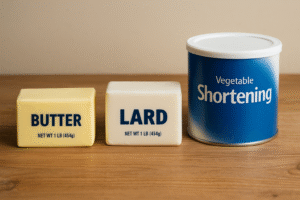
When it comes to baking the perfect pie crust, the type of fat you use matters—a lot. While shortening has had its moment in many classic recipes, I’ve come to love (and trust!) a more traditional combination: butter and lard.

As a home cook who cares about both flavor and health, and someone who’s always experimenting with ingredients in the kitchen, I wanted to share a little behind-the-scenes on why I reach for natural fats—and skip the hydrogenated stuff.

🧈 Butter: Flavor You Can’t Fake

Butter gives pie crust its rich taste and golden finish. It’s a natural fat made from cream, offering nutrients like vitamins A and D, and it hasn’t been tampered with through heavy processing. The flavor alone is worth it—but it also adds some tenderness to the crust.

  • Pros:

    • Natural fat: Butter is a natural fat made from cream, offering a rich flavor and a desirable texture, especially in baked goods.

    • Less processed: It doesn’t undergo hydrogenation, which means it doesn’t have trans fats, unlike some processed fats.

    • Nutritional value: Butter provides vitamins like A, D, E, and K, as well as butyrate, a short-chain fatty acid that can support gut health.

  • Cons:

    • Saturated fat: Butter does contain saturated fat, which, when consumed in large amounts, can contribute to increased LDL (“bad”) cholesterol levels. Moderation is key here.

🐖 Lard: The Flaky Secret

Lard (yes, the real deal from pork fat) creates those beautifully flaky layers we all crave in a crust. It’s high in monounsaturated fats—the same kind you find in olive oil—which makes it a healthier choice than many realize. Bonus: it’s shelf-stable and has a clean, neutral flavor.

  • Pros:

    • Animal fat, less processed: Lard is rendered from pork fat, making it a natural fat that hasn’t been hydrogenated or altered in the same way as processed fats.

    • High in monounsaturated fat: Lard contains a decent amount of monounsaturated fats (the “healthy” fats also found in olive oil), which can be heart-healthy when consumed in moderation.

    • Flaky texture: Lard is highly prized in baking, especially for pie crusts, due to its ability to create a super flaky texture.

  • Cons:

    • Saturated fat content: While lard has less saturated fat than butter, it’s still high in fat overall. However, it contains more monounsaturated fat than butter, making it a bit healthier in terms of fat composition.

    • Animal-based: Some people avoid animal products for ethical or dietary reasons.

🚫 Why I Skip Hydrogenated Fats

Shortening was once a go-to for flakiness, but it’s highly processed and can contain trans fats, which have been linked to heart issues. Even brands labeled “trans fat-free” may still contain small amounts. I prefer to avoid it altogether in favor of whole, natural fats I feel good about using.

  • Pros:

    • Long shelf life: Hydrogenated fats, like shortening, have a long shelf life and are stable at room temperature, which makes them useful for commercial baking.

    • Texture: Hydrogenated fats create a very flaky texture in pie crusts and other baked goods.

  • Cons:

    • Trans fats: The process of hydrogenation creates trans fats, which are associated with increased risk of heart disease and other health issues. Even though many brands now advertise being “trans fat-free,” they can still contain trace amounts.

    • Highly processed: Hydrogenated fats are more processed than natural fats, and some people avoid them due to their potential health risks.

Healthier Options:

  • Butter and Lard are both more natural and less processed than hydrogenated fats like shortening. When consumed in moderation, these fats can be a part of a balanced diet.

  • Lard has the benefit of a higher monounsaturated fat content, which may make it a slightly healthier choice compared to butter in terms of fat composition.

  • Butter provides flavor and some beneficial nutrients but should be consumed in moderation due to its higher saturated fat content.

My Opinion:

Both butter and lard are healthier choices than hydrogenated fats (like shortening). They’re more natural and less processed, and they offer a better fat profile. For a healthier approach, you might want to balance your intake of both and use them in moderation, depending on the recipe. In terms of baking, using butter and lard together can give you the best of both worlds—flavor from the butter and flakiness from the lard.

🥄 My Favorite Combo

For my no-fail pie crust, I use a mix of butter for flavor and lard for texture. The result? A crust that’s golden, tender, and beautifully flaky—without relying on artificial ingredients.

If you’re curious or have your own fat preferences when baking, I’d love to hear from you!  💙


💬 Leave a comment and share what works for you. It’s always great to learn from other foodies!


References:

  1. Mayo Clinic on Trans Fats
    The Mayo Clinic explains that trans fats raise LDL (“bad”) cholesterol and lower HDL (“good”) cholesterol, increasing the risk of heart disease and stroke. Trans fats are commonly found in partially hydrogenated oils, which are present in many shortenings. Mayo Clinic

  2. American Heart Association’s View
    The American Heart Association states that trans fats not only raise bad cholesterol levels but also lower good cholesterol levels. Consuming trans fats increases the risk of developing heart disease and stroke. www.heart.org

  3. WebstaurantStore on Lard
    According to WebstaurantStore, lard contains less saturated fat than butter and, unlike vegetable shortening, has no trans fats. Lard produces crumbly, flaky pie crusts and tender, moist baked goods. WebstaurantStore

  4. Nutrition Over Easy on Lard and Butter
    Nutrition Over Easy highlights that lard contains more monounsaturated fats than saturated fats and has more omega-3 fatty acids per ounce than butter. Butter, while containing more cholesterol, is still a natural fat that can be part of a healthy diet when used in moderation. Nutrition Over Easy

  5. King Arthur Baking on Butter vs. Shortening
    King Arthur Baking discusses how butter provides superior flavor in pie crusts, while shortening contributes to flakiness. They suggest that a combination of both can yield the best results, but emphasize the natural qualities of butter. King Arthur Baking

.​

How to Velvet Meat for Stir Fry

How to Velvet Meat for Stir Fry

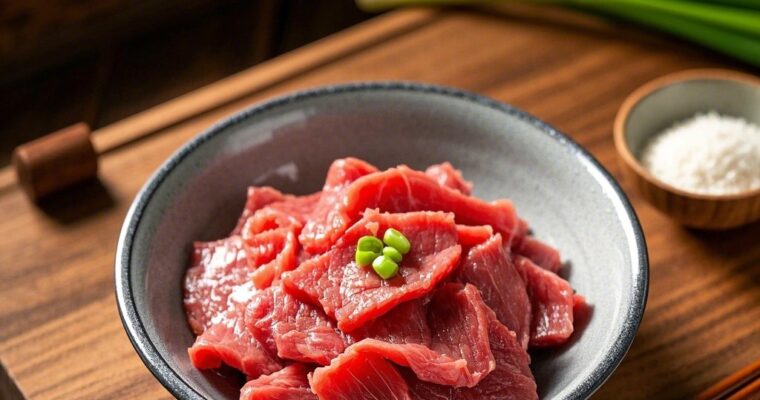
Velveting is a Chinese cooking technique that keeps proteins tender and juicy, even with high-heat cooking methods like stir-frying. This technique works for beef, chicken, pork, and seafood!  

How to Spatchcock a Chicken

How to Spatchcock a Chicken

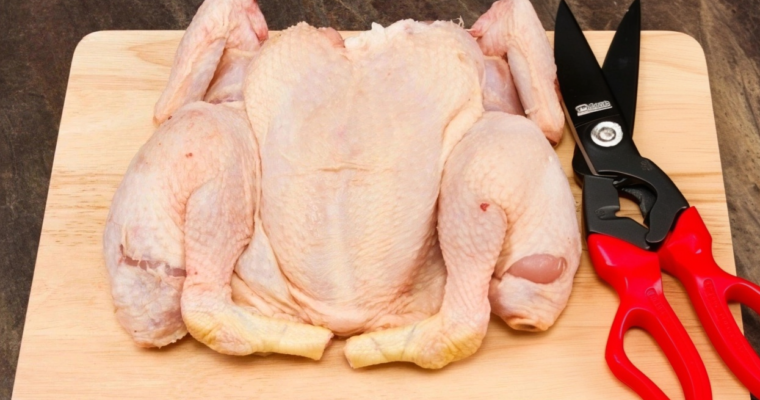
How to Spatchcock a Chicken: A Step-by-Step Guide Spatchcocking a chicken is a simple technique that makes cooking a whole chicken faster, easier, and more flavorful. By removing the backbone, you allow the chicken to cook more evenly and quickly, resulting in a juicy interior…

How to Shake Cocktails: Utensils and Method

How to Shake Cocktails: Utensils and Method

How to Shake Cocktails: Utensils and Method

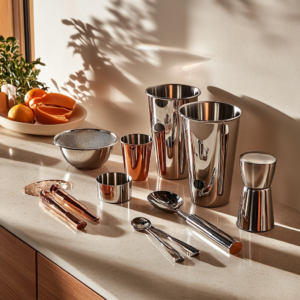
Shaking cocktails is one of the most important techniques in mixology, used to chill, combine, and aerate ingredients to create a refreshing, well-balanced drink. Here’s a simple guide to the utensils you’ll need and the method for shaking cocktails.


Utensils You’ll Need:

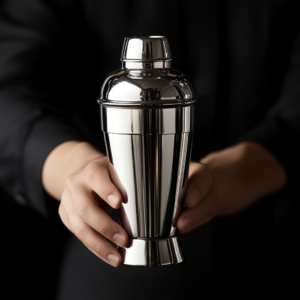
  1. Cocktail Shaker:
    A Boston shaker (two-piece) or a cobbler shaker (three-piece) are the most commonly used tools for shaking cocktails.

    • Boston Shaker: This shaker is made of two parts—one metal and one glass—making it easy to pour and clean.

    • Cobbler Shaker: The cobbler shaker has a built-in strainer, making it a bit easier for beginners.

  2. Strainer:

    • If you’re using a Boston shaker, you’ll need a hawthorne strainer (a metal strainer with a spring) to strain your cocktail into the glass.

    • A cobbler shaker comes with a built-in strainer, so you won’t need a separate one.

  3. Jigger:
    A jigger is used to measure your ingredients to ensure the perfect balance of flavors. Standard jiggers are typically 1 oz (30 ml) on one side and 1/2 oz (15 ml) on the other.

  4. Ice:
    Always use fresh, clean ice for the best results. Cubed ice is usually ideal for shaking cocktails as it chills the ingredients quickly.

  5. Glassware:
    Your choice of glassware depends on the type of cocktail you’re shaking, like a rocks glass, martini glass, or highball glass.


Shaking Method:

Fill the Shaker:
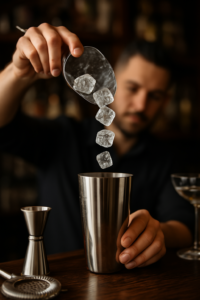
Begin by filling your cocktail shaker with ice. Add enough ice to fill the shaker halfway, so the ingredients can chill properly while being shaken.

Add the Ingredients:
Pour the desired ingredients into the shaker (e.g., spirits, syrups, juices, and bitters). Use a jigger for precise measurements.

Seal the Shaker:
If you’re using a Boston shaker, place the glass portion on top of the metal portion, ensuring it’s sealed tightly. If you’re using a cobbler shaker, just make sure the top is securely closed.

Shake:
Hold the shaker with both hands—one on the base and the other on the top. Shake vigorously for about 10-15 seconds. The goal is to chill and properly combine the ingredients. You’ll hear the ice rattling, which means the cocktail is getting cold and mixed.

Strain the Cocktail:

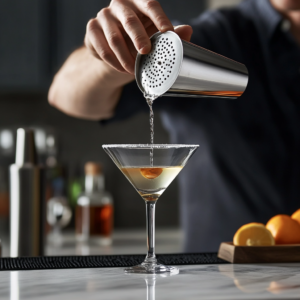
After shaking, strain the cocktail into your prepared glass. Use a hawthorne strainer (if you’re using a Boston shaker) or the built-in strainer on a cobbler shaker.

Garnish and Serve:

Add any garnishes that are part of your recipe, such as citrus slices, herbs, or a cocktail cherry. Then, serve immediately and enjoy!


Tips for Shaking Cocktails:

  • Don’t Overfill the Shaker: Too much ice can make it hard to shake properly and may result in diluted drinks.

  • Shaking vs. Stirring: Generally, shaking is used for cocktails that include juice, egg whites, or other thick liquids that need to be emulsified or aerated. Stirring is better for drinks that only contain spirits (like a Manhattan).

  • Use Fresh Ice: Old, melted ice doesn’t chill the drink as well and can make it taste watered down.

  • Shake Hard: A good shake isn’t just about motion; it’s about shaking with enough energy to properly mix the ingredients and chill the cocktail.


Conclusion:

Mastering the art of shaking cocktails is essential for making drinks that are not only well-balanced but also perfectly chilled. With the right utensils and a little practice, you’ll be able to shake up delicious, refreshing cocktails every time!